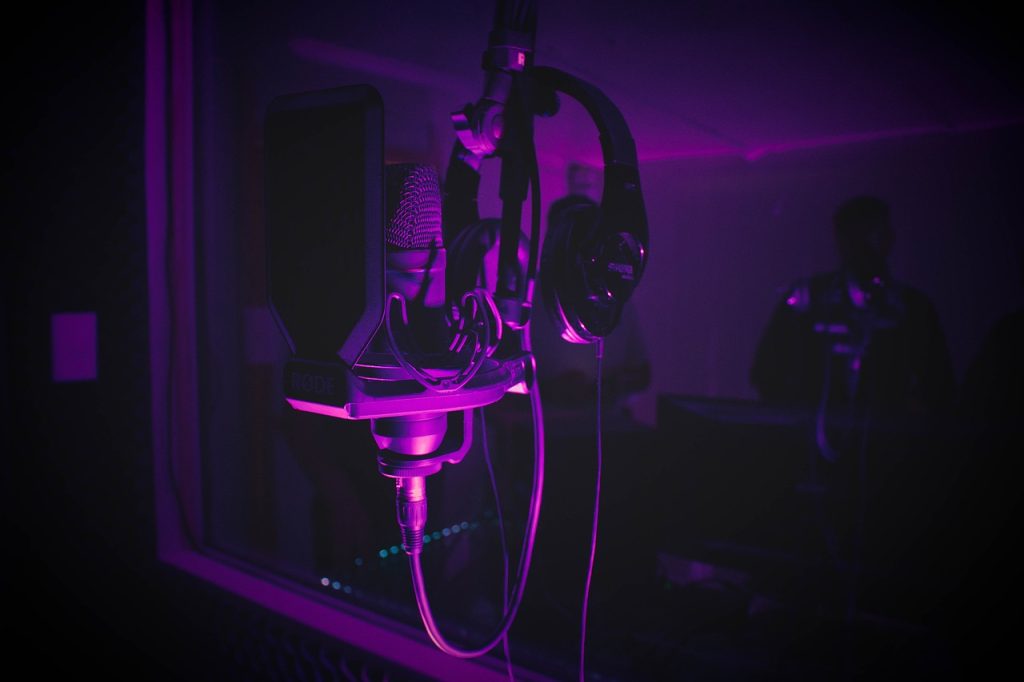
Music production is the entire process of creating a musical piece, involving composition, recording, arrangement, editing, mixing, and mastering. It’s the heart of turning raw sound into a polished song that captures a listener’s attention, spanning various stages and requiring a blend of technical expertise and creative intuition. Whether in a professional studio or a home setup, music production is crucial for producing music that is enjoyable, sonically pleasing, and suitable for distribution across streaming platforms, radio, and other media outlets. This article explores what music production involves, its stages, the role of a producer, essential tools, and tips to help aspiring producers elevate their craft.
1. Defining Music Production
Music production covers the entire journey of a song, from its initial concept to the final, polished product. This includes the following steps:
- Composition: Creating the melody, lyrics, chords, and structure of the song.
- Recording: Capturing live performances of instruments and vocals.
- Arrangement: Organizing the elements of a song in a way that enhances its impact and flow.
- Editing: Fine-tuning recorded sounds, such as aligning notes, correcting pitch, or trimming sections.
- Mixing: Blending multiple tracks to create a cohesive sound by balancing levels, applying effects, and equalizing.
- Mastering: Preparing the final mix for distribution, enhancing clarity and ensuring it sounds good on all playback systems.
Each step is essential, contributing to the song’s emotional impact and commercial viability.
2. Roles in Music Production
The music production process involves various individuals, with the producer playing a central role. Here’s a closer look at key roles:
- The Producer: The producer is the creative director, responsible for overseeing the entire production process. They make artistic and technical decisions, guide the artist, and ensure the project stays on track.
- The Audio Engineer: Responsible for setting up recording equipment, capturing high-quality audio, and managing technical aspects during the recording.
- The Mixing Engineer: Focuses on creating a balanced, layered sound by adjusting the levels of each track and applying effects.
- The Mastering Engineer: Prepares the track for distribution, ensuring consistency in volume and sound quality across all playback devices.
- Musicians and Vocalists: Performers bring the song to life, contributing their instrumental or vocal skills to the recording process.
Together, these roles collaborate to ensure the song meets industry standards and connects emotionally with listeners.
3. Stages of Music Production
a. Pre-Production
This initial stage is where the concept, theme, and style of the music are discussed. In pre-production, producers and artists determine the song’s structure, tempo, and key, often creating a demo to guide the process.
b. Recording
Recording involves capturing vocals and instruments through microphones or digital software. High-quality recordings require a good studio setup with minimal background noise and the right acoustic environment.
c. Editing
Editing is essential for refining the recorded audio. This includes cutting, rearranging, and cleaning up mistakes, adjusting pitch, and synchronizing beats. Digital Audio Workstations (DAWs) like Ableton Live, Pro Tools, and Logic Pro make this process more efficient.
d. Mixing
Mixing is the art of blending all recorded tracks into a single, cohesive sound. A mix engineer adjusts volumes, pans sounds left or right, and applies equalization and effects like reverb to create a sense of space. A good mix gives each sound its place, ensuring vocals, instruments, and rhythms work together.
e. Mastering
The final step in music production, mastering, prepares the song for distribution by enhancing its overall sound quality. The mastering engineer makes the track louder and more consistent across playback systems, preparing it for different platforms like Spotify, Apple Music, and physical formats.
4. Essential Tools in Music Production
Music production relies on several key tools:
- Digital Audio Workstations (DAWs): DAWs are the core software used for recording, editing, and mixing audio tracks. Popular DAWs include Logic Pro, FL Studio, Pro Tools, and Ableton Live.
- MIDI Controllers: MIDI controllers allow producers to input notes and control software instruments, making them ideal for beat-making and composition.
- Microphones: High-quality microphones capture the nuances of vocals and instruments, crucial for achieving a professional sound.
- Audio Interfaces: These devices convert analog signals (from microphones or instruments) into digital format and connect with the DAW.
- Monitors and Headphones: Studio monitors and headphones provide accurate sound, allowing producers to hear all details in their tracks.
- Plugins and Effects: Producers use plugins for equalization, compression, reverb, and other effects, expanding the DAW’s capabilities.
5. The Role of Creativity and Inspiration
While technical skills are essential, creativity is the heart of music production. A producer must not only know how to operate the tools but also have an ear for what sounds good. They must be able to take an artist’s vision and translate it into something that resonates with listeners. Creativity can involve experimenting with sounds, blending genres, and using unconventional techniques.
6. Tips for Aspiring Producers
- Learn the Basics: Understanding music theory, audio principles, and DAW operation will form a strong foundation.
- Experiment: Try different sounds, techniques, and effects. Creativity often comes from experimentation.
- Practice: Consistent practice with a DAW, recording equipment, and mixing tools helps refine your skills.
- Listen Actively: Pay attention to songs you enjoy, noting how they are arranged and mixed.
- Seek Feedback: Sharing your work with other musicians or producers can provide valuable insights.
7. The Future of Music Production
Music production continues to evolve with advancements in technology. Artificial intelligence and machine learning are now being used to generate new sounds, suggest edits, and even mix tracks. Cloud-based platforms enable collaboration among artists and producers across the globe, while mobile production apps allow for music-making on the go. These developments are making music production more accessible than ever, opening up opportunities for new, innovative sounds and collaborations.
Conclusion
Music production is a multifaceted process that blends technical skill with artistic vision. From capturing raw sound to crafting a polished product, it’s a journey that requires dedication, creativity, and an understanding of music’s emotional impact. As technology continues to advance, the possibilities in music production expand, offering aspiring producers countless tools to bring their musical ideas to life. Whether you’re recording at home or in a professional studio, music production is about shaping sound to create meaningful, memorable music for listeners worldwide.